3 Shots That Make Company Group Photos Work by Team Size and Tone
%20(1)%201.png)
.png)
.png)
September 10, 2026
%20(1).jpg)

Office lifestyle photography delivers authentic, on-brand images of real employees in real workspaces, built for recruiting pages, websites, PR, and product storytelling. studio2U and stock libraries like Unsplash and iStock both serve this need, but at different levels of specificity. Hire a professional when your brand needs images no competitor could ever claim as their own.
TL;DR:
- Custom office lifestyle photography is a strategic investment that creates exclusive, authentic images tailored to your brand, unlike generic stock photos.
- Building a clear moodboard from Unsplash and iStock helps identify your preferred style—documentary, staged-natural, or editorial—prior to the shoot.
- A well-planned shot list should include wide workspace shots, team interactions, close-ups, and leadership portraits, with variations to maximize versatility and reduce reshoots.
- Half-day shoots with 15 to 25 employees typically cost around $2,000, while full-day sessions for larger teams can exceed $4,000, depending on scope and location.
- Producing high-quality content in a single visit, including headshots and environmental shots, minimizes disruption and accelerates content deployment for campaigns.
Office lifestyle photography captures employees doing real work in their actual environment, not sitting stiffly against a gray backdrop. It’s the difference between a corporate portrait and a documentary frame of your team mid-conversation at a whiteboard. Companies use these images on careers pages, website heroes, investor decks, and LinkedIn.
Compare that to two common alternatives:
Choose bespoke shoots when recruiting, fundraising, or brand differentiation depends on images that could only belong to your company, not a stock category.
Before booking anyone, build a moodboard. Unsplash’s office lifestyle collection is a strong free starting point for exploring composition and lighting styles, though its images carry no brand exclusivity. iStock’s office lifestyle library offers more than 1.4 million licensed images, useful when you need scalable, rights-cleared content fast rather than pure inspiration.
Pinterest boards and photographer portfolios round out the picture, especially for identifying a visual direction. Three styles dominate the category:
Pick one style before the shoot day, not during it.
A strong shot list maps each frame to a specific marketing use before the camera comes out. Here’s a sequence that covers most brand needs in a single session:
Capture three to five variations per scene, shifting angle and framing rather than repeating the same setup. A 35mm or 50mm lens handles most environmental shots; an 85mm works well for tighter portraits within the same session.
Pro Tip: Shoot verticals and horizontals of your top three scenes. Marketing teams almost always need both formats, and reshoots are expensive.
Start with a short discovery call to align on brand goals, then walk the space to flag good light and problem areas like glare or clutter. Finalize the shot list beforehand and send simple wardrobe guidance (solid colors, no busy patterns) to participants a week out.
Every employee appearing in external marketing materials should sign a release, and companies increasingly collect this digitally alongside onboarding paperwork rather than on paper the day of the shoot.
Realistic timelines, based on how professional teams structure these sessions:
Photographers who specialize in this work typically structure the day around a discovery call, walkthrough, and shot list to move efficiently through 15 to 25 people in a half-day session. Merging headshots with lifestyle capture in one visit cuts disruption roughly in half compared to scheduling two separate days.
Give people a task, not a pose. Ask two employees to “figure out this whiteboard problem” or “walk through the deck for tomorrow’s meeting,” and let the camera catch the real reactions that follow. Real employees photographed in their actual workspace outperform models precisely because viewers recognize authentic workplace cues that staged stock images never quite replicate.
Practical techniques that work on set:
The biggest mistake is asking people to “look natural.” Nobody does. Give them something to do instead, and the awkwardness disappears.
Pro Tip: Shoot the “in-between” moments right after you call cut. People relax the second they think the shot is over, and that’s often the best frame of the set.

Mixed lighting is the biggest technical challenge in any office. Fluorescent overheads and daylight from windows create competing color temperatures, so shoot with a consistent white balance reference and correct in post rather than chasing perfect light on set. A small LED panel or reflector fills shadows on overcast days or in interior rooms without windows.
For composition:
A 24 to 70mm zoom covers most environmental work without changing lenses mid-scene, which matters when you’re trying to stay unobtrusive.
Set a simple grading rule before editing begins: consistent white balance, true-to-life skin tones, and one color temperature applied across the whole gallery. Skin tone accuracy matters more than any stylistic color grade. Overly warm or cool casts read as unprofessional fast.
Deliverables should match how the images will actually be used:
Confirm usage rights upfront: internal use, external marketing, and paid advertising sometimes carry different licensing terms depending on the photographer’s contract. Standard turnaround for a retouched gallery generally runs within several business days.
Pricing depends heavily on shoot length, crew size, and how many final images need retouching. Industry pricing commonly starts with half-day sessions around $2,000; full-day shoots often reaching $4,000 or more depending on scope and location count.
What pushes the price up:
Standard delivery runs three to five business days; expedited turnaround is often available for launches or press deadlines, usually at a premium.
studio2U builds every shoot around a strategic goal, not just a deliverable count. That means aligning the shot list to specific uses, careers pages, investor decks, PR, before the team arrives on-site, so nothing shot that day goes unused.
A typical engagement looks like this: a company needing updated leadership portraits, a careers page refresh, and social content for an announcement. A single half-day, on-location shoot produced all three asset sets. The company published its careers page update and LinkedIn campaign within a week of the shoot, without waiting on a second production cycle.
What makes this repeatable across companies:
Bespoke shoots earn their cost when the images need to say something only your company can say, recruiting, fundraising, product launches. Stock covers filler content and quick social posts where brand specificity doesn’t matter.
The smartest budget move is often a hybrid plan: a short on-site shoot for hero and recruiting images, backed by licensed stock for secondary content. This keeps recurring content needs, quarterly social posts, blog headers, manageable without booking a full production every time.
— Kevin
We bring on-location photography and video production directly to your office, providing team photography, environmental shots, executive portraits, and recruiting content in a single visit instead of juggling separate vendors. The process starts with a short discovery call to understand brand goals, followed by a shot list built around the marketing calendar, a quote based on team size and scope, and a scheduled shoot day designed to minimize disruption.
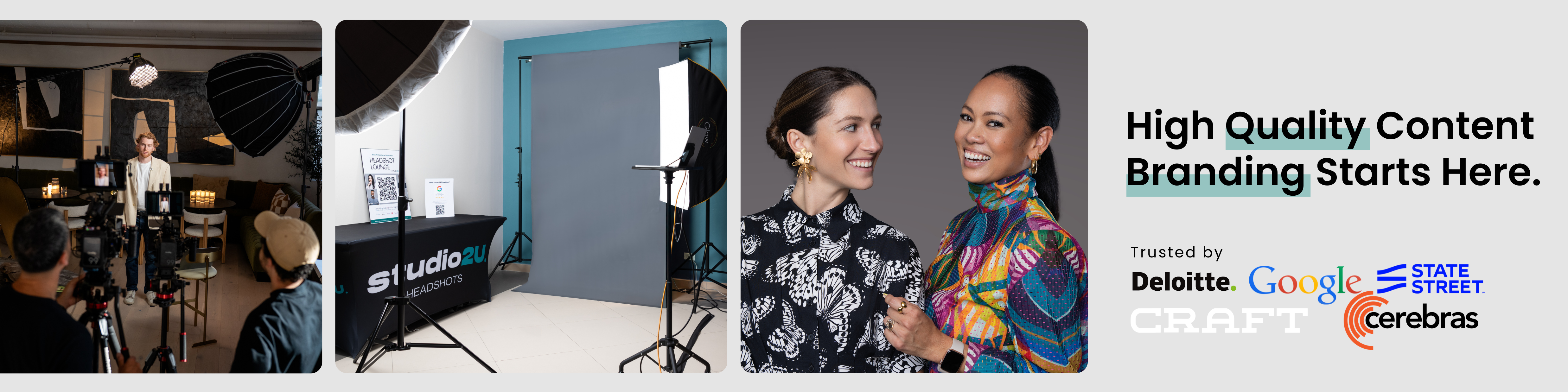
Delivery typically follows a five-day turnaround pattern common across the industry, so galleries land while your launch, campaign, or hiring push is still fresh. Combining a headshot session with environmental office backdrop photography in one visit is one of the most efficient ways to build a usable library fast, and pairing that library with a structured PR photo system for LinkedIn keeps your social presence current for months afterward. If your team also needs updated staff portraits, review studio2U’s company-wide headshot packages as part of the same booking. Request a quote and view sample galleries on the studio2U service page to see current package options for your team size.
Unsplash’s office lifestyle collection works well for free moodboards and quick inspiration, though images carry no exclusivity. iStock’s office lifestyle library and Getty Images offer paid, rights-managed and royalty-free options suited to commercial campaigns where usage rights matter.
The distinction is simple: use free libraries to explore style, use licensed libraries when a specific image needs to run in paid ads or press materials without exclusivity risk. For platform-specific planning, resources on LinkedIn content strategy help map which image types perform best on that channel.
Half-day office lifestyle sessions typically start around $2,000, with full-day shoots often running $4,000 or more depending on crew size, locations, and retouching needs.
It’s a starting heuristic, not a strict formula, and many photographers adjust it heavily for office environments with limited space.
Common examples include employees collaborating at a whiteboard, candid hallway walking shots, close-ups of hands using a laptop, one-on-one mentoring conversations, and environmental leadership portraits shot at a desk or in a meeting room.
Reliable, verifiable income data at that specific threshold isn’t publicly available for the corporate lifestyle photography niche. Earnings vary widely based on client roster, geographic market, and whether a photographer runs a solo practice or a full production studio like studio2U.
Real employees photographed in their actual workspace consistently outperform models for recruiting and brand authenticity, since viewers pick up on genuine workplace cues that staged photography can’t fully replicate.
